

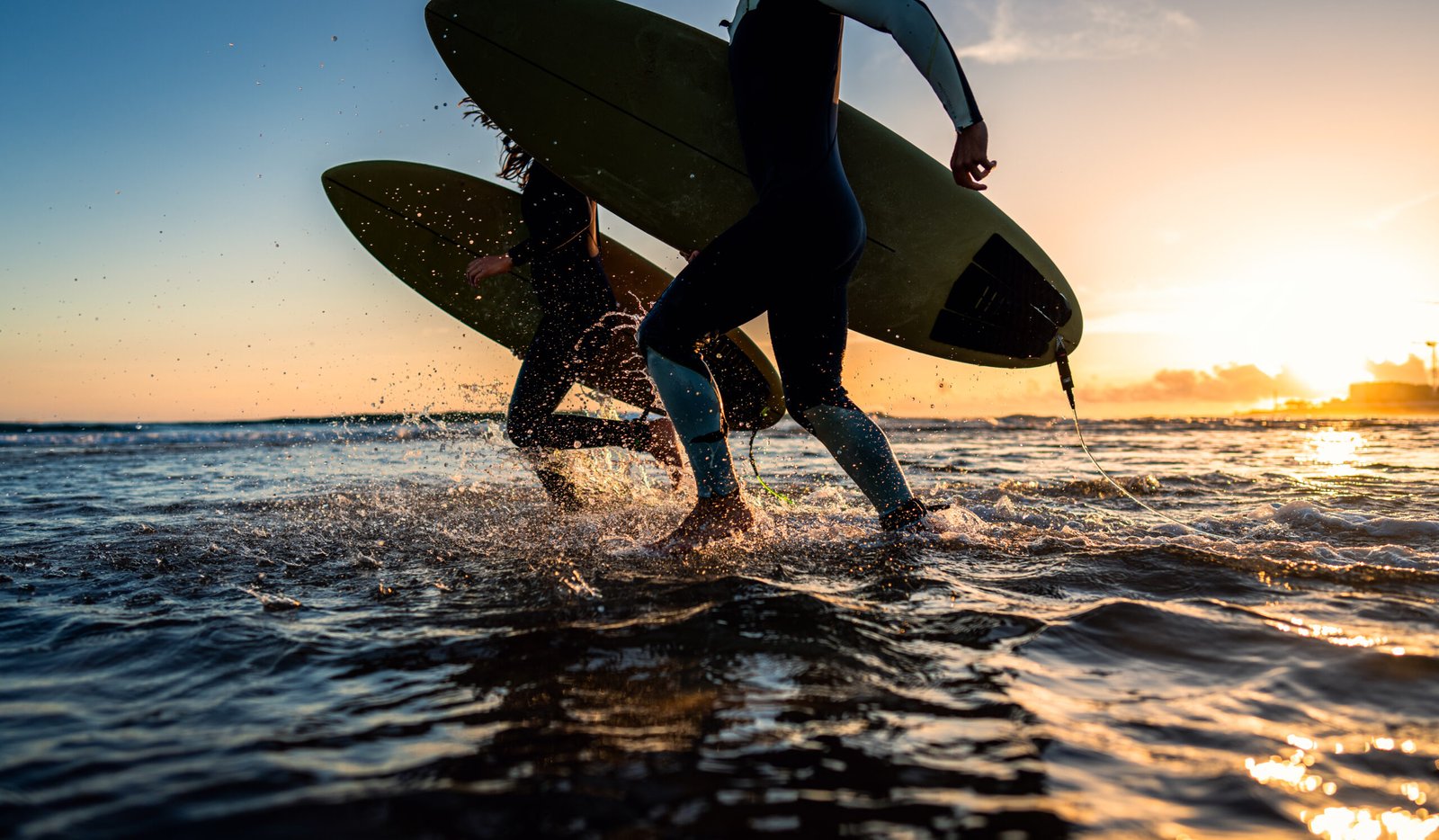
The first question almost every student asks me before their lesson is: “Do you think I can actually do this?”
My answer is always the same: yes. Every single time.
In all my years teaching surf lessons at Kuta Beach, I have seen beginners of every age, every fitness level, and every background catch their first wave. A 58-year-old grandmother from Japan. A teenage boy who had never swum in the ocean before. A couple on their honeymoon who both stood up on their very first try.
Surfing is not about being young, fit, or fearless. It’s about having the right teacher, the right beach, and the willingness to fall down and try again.
This guide will tell you everything you need to know before you show up to your first surf lesson in Kuta Bali — from how the lesson is structured, to what the waves feel like, to the one mistake almost every beginner makes in their first session.
🏄 Why Kuta Beach Is the Best Place to Learn to Surf in Bali
There are many surf spots in Bali — Uluwatu, Canggu, Padang Padang, Medewi. They are all beautiful. But for a beginner, they are not where you want to start.
Kuta Beach is different, and here’s why I teach here:
Sandy bottom. This is the big one. Most surf spots in Bali have a reef bottom — sharp coral just below the surface. When you fall (and you will fall), you want to land in sand. At Kuta, the bottom is soft, forgiving, and safe. In years of teaching here, I have never had a student get seriously hurt from a fall.
The right kind of waves. Kuta gets consistent, slow-rolling waves that are perfect for learning. Not too big, not too fast. They give you time to paddle, time to pop up, and time to feel what it’s like to actually ride. At other spots, the waves are too powerful or too unpredictable for a first session.
Everything is close. Kuta is 15 minutes from the airport and surrounded by hotels, restaurants, and shops. You don’t need to rent a scooter or hire a driver to get here. You step off the beach, and everything you need is right there.
This is why most professional instructors in Bali bring beginners to Kuta first. The beach does half the teaching for us.
🧑🏫 What Happens in a Surf Lesson — Step by Step
Step 1: Meet at the Beach (10–15 minutes)
We meet directly on Kuta Beach. No need to find an office or check in anywhere complicated — I’ll give you a meeting point when you book, and I’ll be there waiting.
We’ll do quick introductions, I’ll give you your rash guard and surfboard, and we’ll talk briefly about what the session will look like. If you have any worries — fear of water, bad back, never swum in the ocean — tell me now. I’ve worked with all of these before and I always adjust the lesson accordingly.
Step 2: Land Training (20–30 minutes)
Before we touch the water, we practice everything on the sand. This is the part most students underestimate — but it’s the part that determines whether you stand up on your first wave or your tenth.
On the sand, I teach you:
- How to lie correctly on the board — your body position affects everything. Most beginners lie too far back, which makes the nose of the board point up and slows you down.
- The pop-up technique — this is the movement of going from lying flat to standing in one smooth motion. We practice it again and again until it feels natural. By the time we reach the water, your body already knows what to do.
- How to read a wave — I’ll show you what to look for, when to start paddling, and when to pop up. Timing is everything in surfing.
- Basic safety — how to fall safely, how to protect your head, what to do if you get held under.
I don’t rush this part. When students skip or rush the land training, they spend the whole water session confused. When we do it properly, most students stand up within the first 30 minutes in the water.
Step 3: Whitewater Waves (30–40 minutes)
For your first waves, we start in the whitewater — the foam left after a wave has already broken. These waves push you gently toward shore, giving you a chance to practice the pop-up with minimal risk.
I’ll be right next to you in the water the entire time. I hold the board steady as the wave approaches, tell you when to paddle, and give you the push at the right moment. All you have to do is pop up.
Most students catch their first ride in the whitewater within 15–20 minutes of entering the water.ith proper guidance.
Step 4: Catching Real Waves (remaining time)
Once you’re comfortable in the whitewater, we move to slightly deeper water to catch the unbroken waves. This is where surfing really starts to feel like surfing — the wave lifts you from behind, you pop up, and you ride all the way to shore.
This is the moment students always remember. Every time I see it happen for the first time – the surprise, then the huge smile – it reminds me why I do this job.
👉 Read more here:
Best Time to Surf Kuta Beach
The One Mistake Almost Every Beginner Makes
I want to be honest with you because I think it helps: the most common reason beginners struggle in their first lesson is not lack of fitness or fear of the ocean.
It’s looking down at their feet when they pop up.
The moment you stand on the board, your natural instinct is to look down and check your footing. But the second you do that, your body weight shifts forward, the board goes with it, and you fall.
Every experienced surfer knows: look at the horizon, not your feet.
I tell my students this on the beach, I remind them before every wave, and I still see half of them look down on their first ride. It’s completely natural — don’t worry if it happens. By the end of the session, most people have it figured out.
👉 Check full pricing here:
Surf Lesson Price in Bali
How Long Does It Take to Learn to Surf?
This is the most common question I get, and the honest answer is: it depends on what you mean by “learn.”
In one 2-hour lesson: almost everyone can stand up and ride whitewater waves. Many students also catch their first real unbroken wave.
After 3–5 lessons: you’ll be catching waves consistently, starting to choose which waves to paddle for, and beginning to feel comfortable in the ocean.
After weeks or months of practice: you’ll be surfing independently, reading waves, and working on turns.
Surfing is a lifelong learning process, even professional surfers say they’re still learning. But the good news is that the first session is almost always a success. You don’t need months of lessons to feel the joy of riding your first wave.
The Best Time to Take a Surf Lesson in Kuta
Time of day matters more than most people realize.
Morning (6:00 AM – 9:00 AM) is the best time to surf at Kuta. The wind is light or calm, the waves are cleaner and more consistent, the beach is less crowded, and the sun is not yet brutal. This is when I prefer to teach, and it’s the time I recommend to all my students.
Late afternoon (4:00 PM – 6:00 PM) is the second best window. The heat has dropped, the light is beautiful, and the waves often pick up again after a quiet midday period.
Midday (10:00 AM – 3:00 PM) I generally avoid for beginners. The sun is at its most intense, the beach is crowded with tourists, and the onshore winds often make the waves choppy and harder to read.
If you have flexibility in your schedule, book a morning lesson. The difference in experience — cooler temperatures, quieter beach, better waves — is significant.
What to Bring to Your Lesson
Keep it simple. Here’s everything you need:
- Swimwear — boardshorts for men, swimsuit or bikini for women
- Sunscreen applied before you arrive — SPF 50+, waterproof, applied at least 20 minutes before your lesson
- A towel and dry change of clothes
- Water or a drink for after
Everything else, surfboard, rash guard, leash, wax is provided.
Leave your valuables at the hotel. Kuta Beach is generally safe, but there’s no reason to bring your passport, expensive jewellery, or a lot of cash to a surf lesson.
Is Kuta Beach Safe for Beginners?
Yes and this is not just a sales pitch. There’s a reason surf schools have operated at Kuta Beach for decades. The conditions here were designed by nature for learning.
That said, the ocean is always the ocean. There are a few things to be aware of:
Rip currents exist at Kuta, as they do at most beaches. This is exactly why I teach ocean safety in every lesson, knowing how to identify and escape a rip current is one of the most valuable things you’ll learn. Hint: never swim against it. Paddle sideways until you’re out of it, then head to shore.
Jellyfish occasionally appear at Kuta, usually during certain seasons. If you get stung, it’s uncomfortable but not dangerous. Rinse with seawater (not fresh water) and tell your instructor immediately.
Other surfers. Kuta can get crowded, especially midday. This is another reason I recommend morning lessons, less traffic in the water, and a safer, more relaxed learning environment.
With an experienced instructor in the water beside you at all times, the risk for beginners is very low.
Ready to Catch Your First Wave?
If you’ve read this far, you’re already more prepared than most of my students are when they show up at the beach. That’s a good sign.
Surfing at Kuta Beach is one of those experiences that stays with you long after your trip is over. Students message me months later to tell me they’ve been surfing at home, or that they’re planning to come back to Bali just to surf again. That reaction never gets old.
If you have any questions before your lesson about the session, the location, what to expect, or anything else — send me a message on WhatsApp. I’ll reply quickly and make sure you feel confident and prepared before you arrive.
👉 Book a surf lesson at Kuta Beach
See you on the beach. 🤙
Krisna Surf Lesson — Private and group surf lessons for beginners and intermediates at Kuta Beach, Bali. Check our lesson prices here.